
Why most men waste money on skincare
Skin Analysis: Is it Worth It?
In one word. Yes.
Imagine buying a £150 serum because TikTok or a friend recommended it.
Then a £300 LED mask.
Then trying retinol.
Then a £15 vitamin C,
Then booking a facial.
Six months later…
...your skin looks exactly the same.
The problem usually isn't that the products are bad.
It's that they're being used to solve the wrong problem.
What Does a Professional Skin Analysis Actually Tell You?
When it comes to improving your skin, choosing the right treatment is just as important as choosing the right expert to help you. But before recommending microneedling, skin boosters, exosomes or any other advanced treatment, we first need to understand your skin.
The LED skin analysis uses different lighting technologies to reveal concerns that aren't always visible to the naked eye. This helps us create a personalised treatment and skincare plan based on your skin's unique needs.
At MAPT, every journey begins with a comprehensive skin analysis. Rather than guessing what's causing acne, redness, pigmentation or signs of ageing, we assess your skin under two light modes:
🔆 White Light
This is standard illumination and shows visible concerns such as:
Fine lines and wrinkles
Enlarged pores
Surface pigmentation
Redness
Texture irregularities
Acne and blemishes
🔦 UV LED Light (Ultraviolet)
UV light highlights damage beneath the skin's surface, including:
Sun damage (UV-induced pigmentation)
Pigmented lesions and freckles
Hyperpigmentation not yet visible in daylight
Areas at risk of future pigmentation
Dry or dehydrated skin (often appears brighter under UV)
Congested pores, especially around the nose in most cases
Ultimately, no guesswork - avoiding unnecessary treatments and delivering better long-term results.
Why?
"Why isn't my skincare working?"
"Why have I spent hundreds on products with no results?"
"How do I know which treatment I actually need?"
"Can I avoid wasting money?
The answer to all these common questions is simply this… get yourself a skin analysis…
Time-Line: Your Skin Changes Throughout Life
Your skin isn't static. Your skin is a living organ that is constantly changing.
It changes with:
age
hormones
stress
sleep
nutrition
medications
sun exposure
exercise
smoking
alcohol
That's why a treatment that worked two years ago might not be the right choice today. Skin replenishes every
🧬 Every day
Your skin loses around 30,000–40,000 dead skin cells every minute.
Oil production, hydration levels, and inflammation can change daily based on sleep, stress, diet, hormones, and the environment.
🔄 Every 4–6 weeks
The outer layer of your skin (epidermis) completes a full renewal cycle in healthy young adults.
This is why skincare products and treatments often take 4–8 weeks to show noticeable results.
📈 As you age
The renewal process gradually slows:
20s: ~28-day skin cycle
30s: ~30–40 days
40s: ~40–50 days
50s+: Can take 50–60+ days
This slower turnover contributes to:
Duller skin
Slower healing
More visible fine lines
Increased dryness
Build-up of dead skin cells
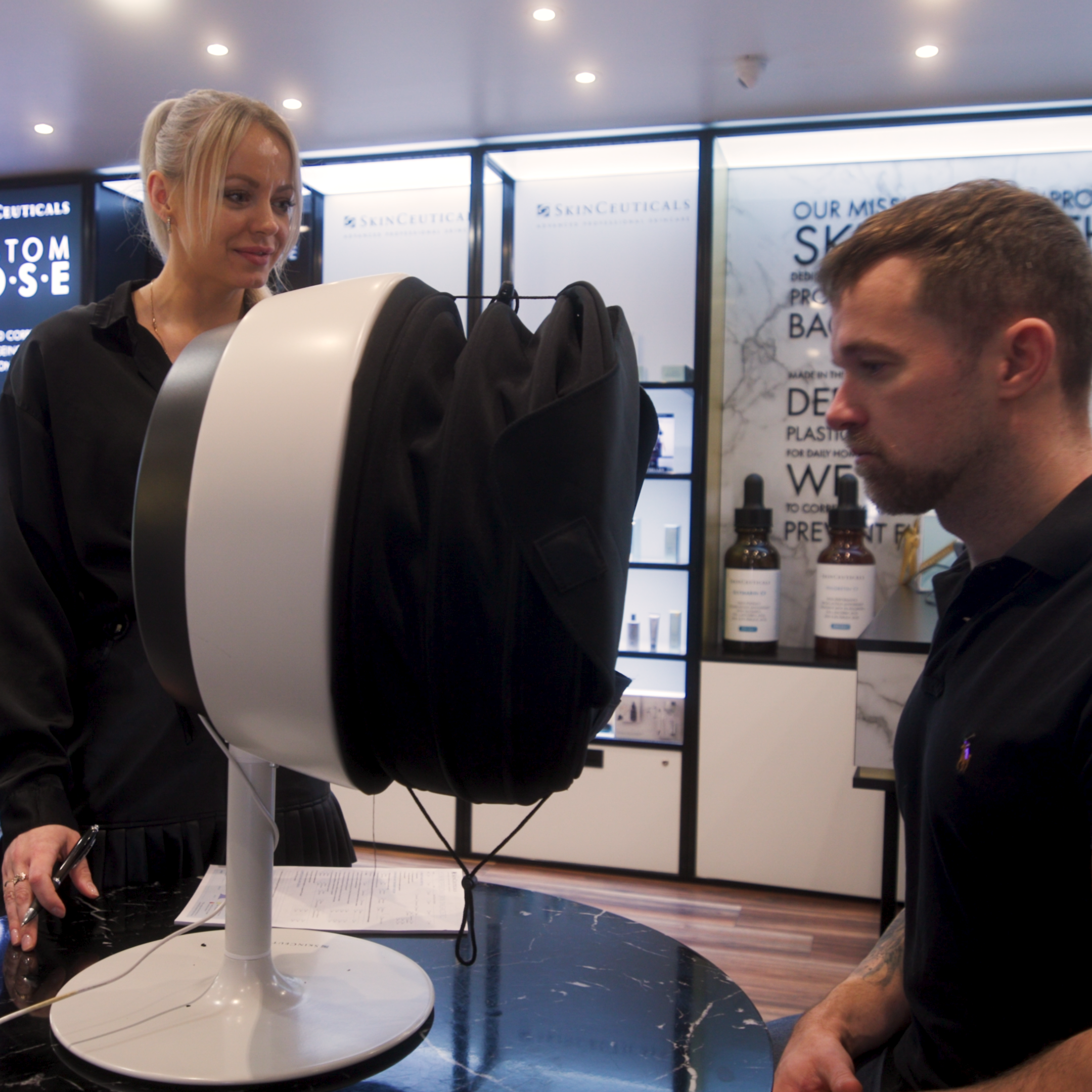
Skinscope analysis
MY STORY
When I first started working for an aesthetics clinic, in one of the clinics I noticed a machine in the corner covered in dust. I asked what it was, and the practitioner explained that it was a skin analysis device—it could evaluate my skin and identify any concerns I may have. At first, I thought, why wouldn’t everyone use this? But she told me that many practitioners just didn’t bother; it was an extra step they didn’t feel like taking. I decided then and there that I wanted to see mine. Under the specialised lighting, I could clearly see signs of pigmentation and congestion—my skin was really clogged, and I had plenty of dead skin, something I hadn’t realised because I’d never even used a face cream or daily SPF before. At 37, I decided that I didn’t like what I saw, and now after dedicating time to a good skincare routine—using eye cream, regular micro-needling, and LED treatments—I can now say that the crow’s feet I once had are gone. I no longer need Botox around my eyes. This is how I know that regenerative treatments and using a skin scan analysis are the way forward.
Why Guessing Doesn't Work
Many people spend hundreds—sometimes thousands—of pounds trying products they've seen on social media.
The problem?
Most people don't actually know what their skin needs.
Dry skin can actually be dehydrated.
Oily skin can still lack moisture.
Acne isn't always caused by excess oil.
Pigmentation isn't always sun damage.
Without a professional assessment, it's easy to treat the wrong problem.
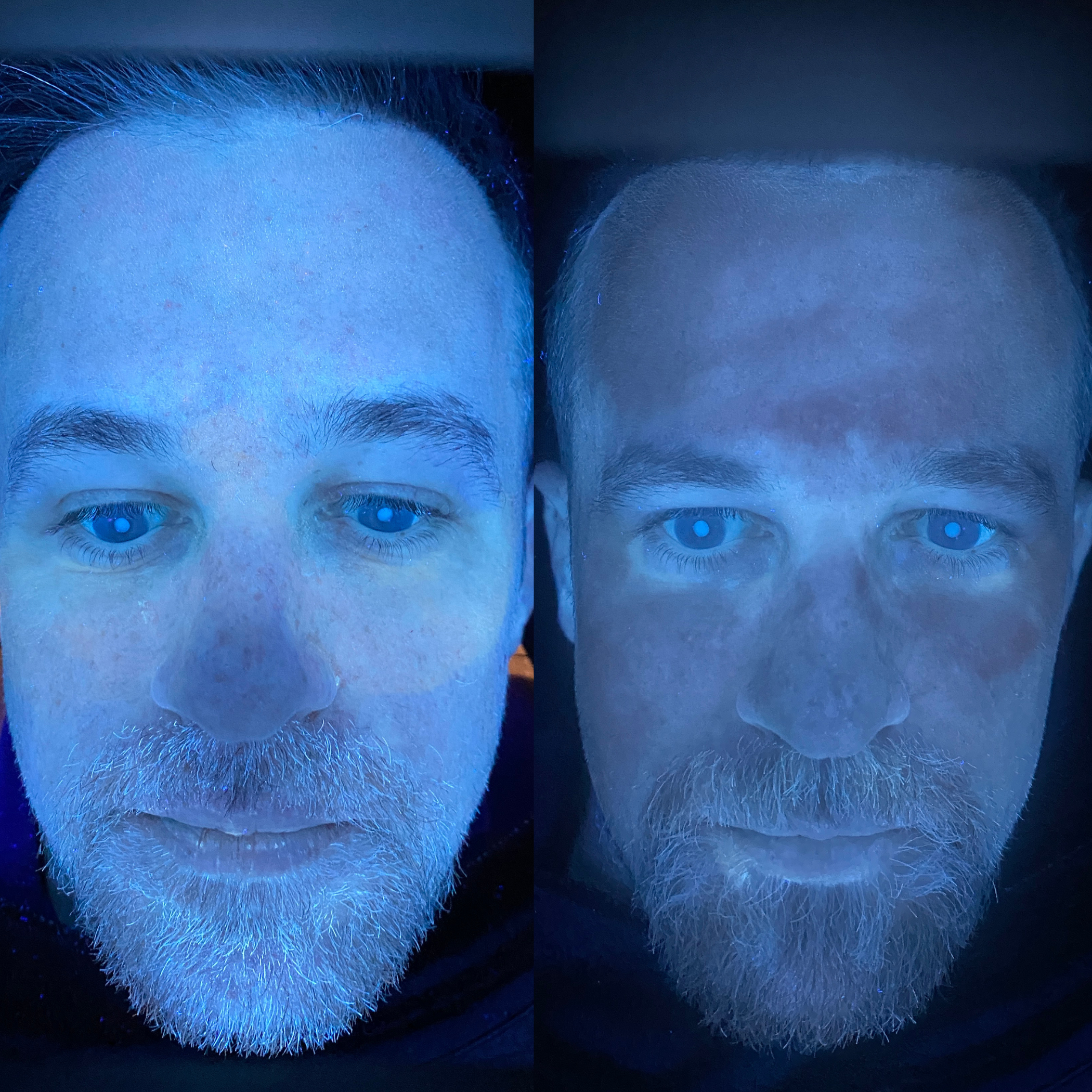
Before using sun cream (SPF) and after.